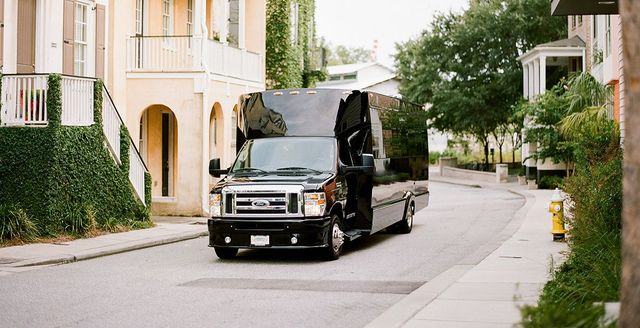
Managing transportation for groups often feels complex, as timing, comfort, and logistics must align smoothly. Whether the occasion is corporate, social, or celebratory, transportation logistics often shape the first and last impressions of the experience. An organized transportation strategy alleviates stress, ensures timeliness, and promotes comfort for guests. Group transportation is not just about moving people from one place to another, but about maintaining flow and professionalism throughout the event. Efficient coordination allows attendees to concentrate on the event instead of travel issues. Thoughtful planning transforms transportation into a seamless part of the overall experience.
Lowcountry Valet recognizes that meticulous planning is essential for effective event transportation. Coordinating groups over time proves that organization, clear updates, and flexibility produce exceptional results. Guests should experience travel as seamless, while significant planning occurs behind the scenes. Foreseeing guest requirements ensures the timetable stays on track and satisfaction is maximized. Properly managed travel reinforces the event’s quality and sets the desired mood. These insights are designed to help planners and hosts create organized, smooth-running events that leave a lasting impression.
Defining the Scope for Group Travel
Effectively handling group travel begins with knowing all aspects of the event. This includes knowing how many guests will be attending, the nature of the event, and the overall timeline involved. Event type dictates travel requirements, and early clarity prevents issues. Timing preferences, anticipated arrivals, and departures are critical factors. Clarifying these details ensures transportation enhances the overall experience. A detailed overview provides a strong foundation for every decision that follows.
Guest experience while traveling is as important as the event itself. The journey helps build excitement and establishes the expected level of formality. Knowing the tone—sophisticated or casual—guides vehicle choices and timing. Size is one factor, but timing, stops, and itineraries also impact planning. Detailed mapping prevents any attendee from being neglected. Mindful planning ensures transportation complements the occasion.
Developing a Structured Travel Schedule
A structured schedule ensures travel remains organized. Creating precise transport windows balances consistency with adaptability. Transport timing should correspond to the event plan and travel needs. Matching transit with the timeline reduces interruptions and improves flow. Planning buffer time between movements reduces stress and helps accommodate unexpected changes. A thoughtful timeline keeps the entire group moving together without feeling rushed.
Clear communication is key to implementing a timeline successfully. All participants should know pickup points and timing. Defined plans limit errors and delays. Effective updates let attendees enjoy the event without worrying about transit. Timelines also support drivers and coordinators by providing a shared framework for execution. Shared clarity makes coordination effortless.
Matching Vehicles to Guest Requirements
Choosing the appropriate vehicles is a key factor in group transportation success. Consideration of passengers, trip length, and comfort needs informs vehicle choice. Vehicles should offer ample space so guests can travel comfortably without feeling crowded. In-vehicle features support enjoyment and convenience throughout the trip. Vehicle selection that aligns with the occasion strengthens the overall impression. Proper vehicle selection ensures that transportation enhances rather than detracts from the occasion.
Accessibility is as important as interior space and comfort. Diverse guest needs require careful coordination and consideration. Transport that facilitates quick, safe boarding maintains timeliness and comfort. Uniform vehicle style reinforces professionalism. Consistent vehicle presentation contributes to a seamless experience. Attention to these details reflects a commitment to guest satisfaction.
Managing Skilled Chauffeurs and Event Assistance
Experienced drivers play a key role in seamless group travel. With experience, chauffeurs can handle unexpected situations and adjust as needed. Effective communication ensures drivers are aligned with timing and guest needs. Lowcountry Valet combines meticulous preparation with professional driving to keep operations smooth. Professionalism behind the wheel contributes to punctuality, safety, and overall guest comfort. Strong coordination creates confidence for both planners and attendees.
Back-end coordination helps maintain smooth transportation. Continuous updates among staff and drivers allow quick corrections. Being flexible allows the schedule to stay intact despite unexpected shifts. When chauffeurs are well-informed, they can provide a reassuring presence for guests. The combination of preparation and adaptability ensures transportation remains reliable. This method ensures reliability and reinforces a pleasant guest journey.
Ensuring Clear Communication with Guests
Effective messaging to guests ensures transportation success. Providing here straightforward instructions helps guests know what to expect and where to be. Providing instructions ahead of time builds guest confidence. Uniform communication minimizes confusion and inquiries. Communication should be concise yet thorough, covering pickup times, meeting points, and general expectations. Attendees who understand the plan help travel flow efficiently.
Sending reminders near the event enhances organization. Notifications keep all attendees on schedule. Being proactive shows careful planning and professionalism. Guests appreciate clarity, especially when navigating group movements. Transparent instructions encourage teamwork and smooth execution. Guided participants allow logistics to function seamlessly.
Allowing for Adaptability in Group Travel
Even the most carefully planned events can encounter unexpected changes. Building flexibility into transportation logistics allows adjustments without disrupting the overall experience. Extra time in the schedule can absorb minor delays and keep stress levels low. Being prepared for obstacles ensures smooth solutions. Flexibility ensures that transportation remains dependable even when conditions shift. Adaptability reflects thorough, effective planning.
Being ready involves defined steps for unexpected issues. Defined communication methods reduce disruption during changes. Responsive plans maintain flow and attendee satisfaction. Transportation should feel steady and reliable, even when the plan evolves. Maintaining stability reflects high event standards. Smooth operations increase guest satisfaction.
Maximizing the Impact of Transportation on Events
How attendees travel greatly influences the event experience. Seamless travel creates a welcoming atmosphere and enhances event value. Comfort, punctuality, and professionalism all contribute to guest satisfaction. Travel must integrate naturally into the event rather than feel separate. Coordinated travel enhances the flow and tone of the event. Attention to detail improves the overall guest journey.
At the conclusion, group travel contributes to a memorable ending. A coordinated departure allows guests to conclude the experience on a positive note. Lowcountry Valet treats departures with the same professionalism as arrivals, ensuring continuity. Guests appreciate a smooth transition as the event comes to a close. Meticulous planning highlights the benefits of expert transportation. Properly handled departures leave guests with a lasting positive impression.